
The Easter stories are some of the oldest and richest in our long history as story-making beings. We have a story for everything, and many, many stories for the same things. Our tales depend on where and with whom we found ourselves when we arrived in this life. They tell where we came from, how we got here, why we’re here at all. How to behave now that we are here.
As time passes and knowledge expands, we create fresh stories. Layering evidence on metaphor, while still cherishing the familiar ones. Science keeps expanding our knowledge of how the universe — and our tiny piece of it — came into being. How our DNA links us to all living things. That the carbon that forms us was formed in ancient stars. How we migrated out of Africa and wove together a planet.
In my childhood Catholicism, the ancient lore of fertility goddesses, bringing light and renewed growth, became entwined with the story of Jesus of Nazareth. His last days were embedded in the story of the Passover. Which was embedded in the story of how a tribe became a nation. One of thousands of stories about how communities cohered, and how that made them special in the eyes of their gods.
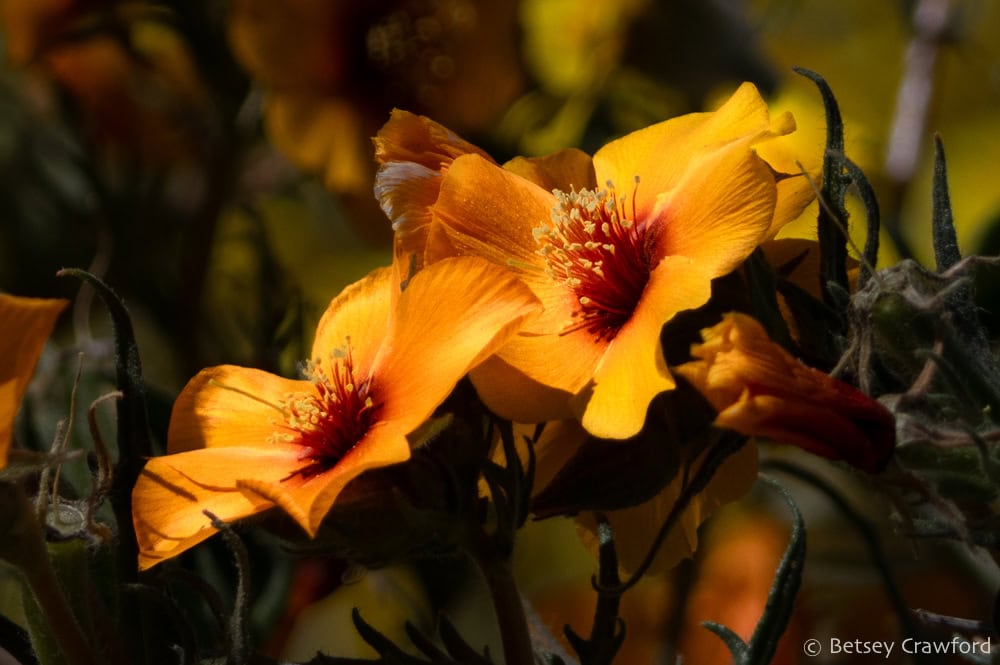
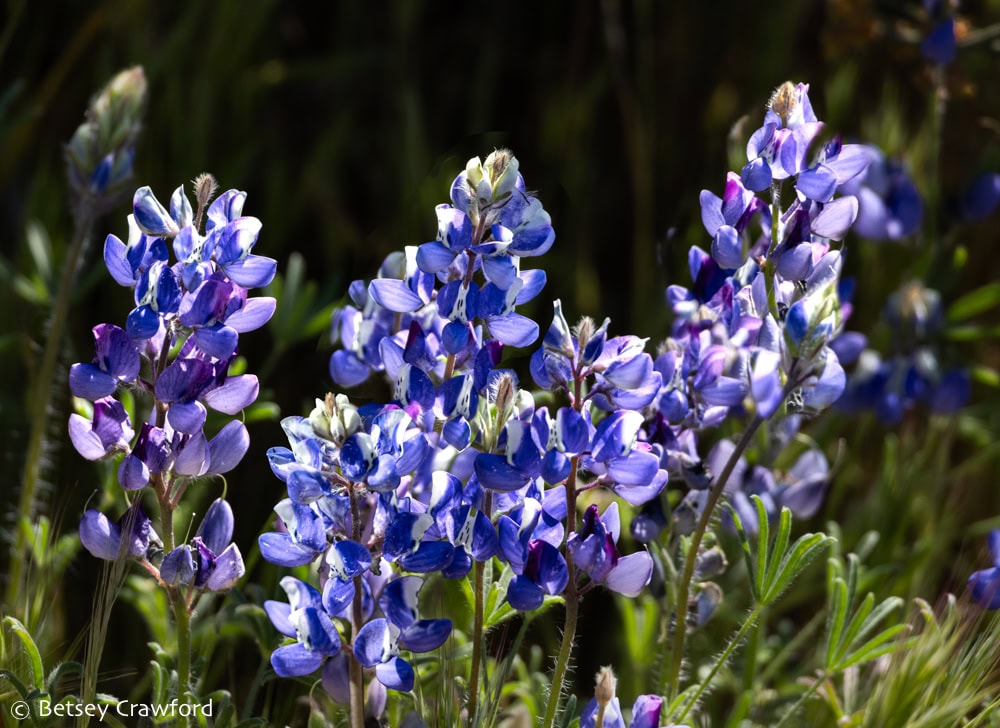
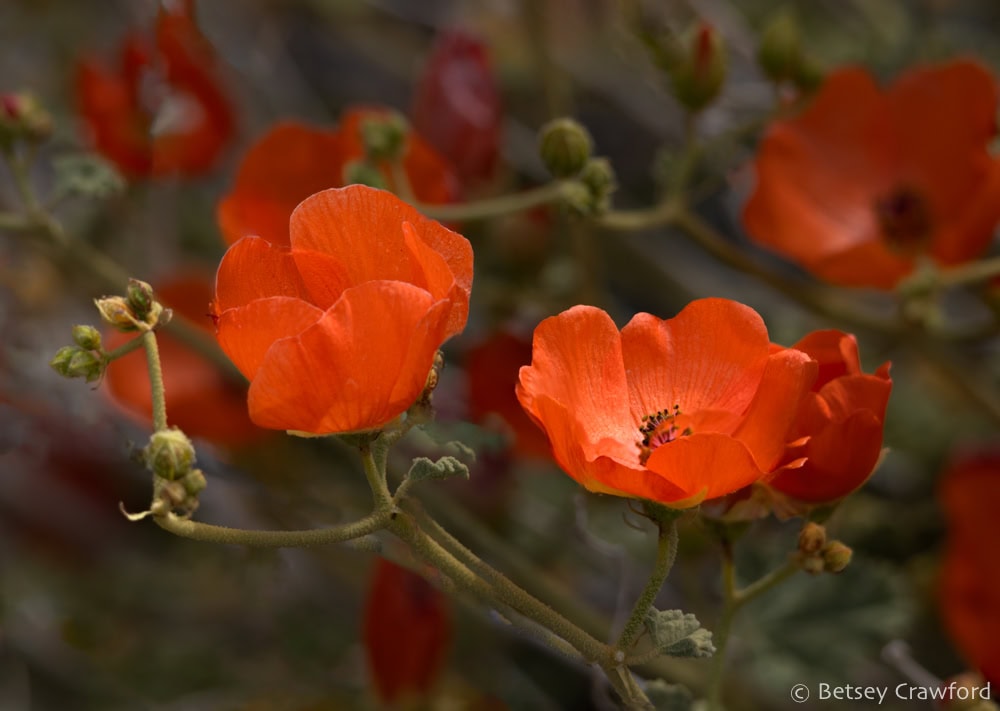
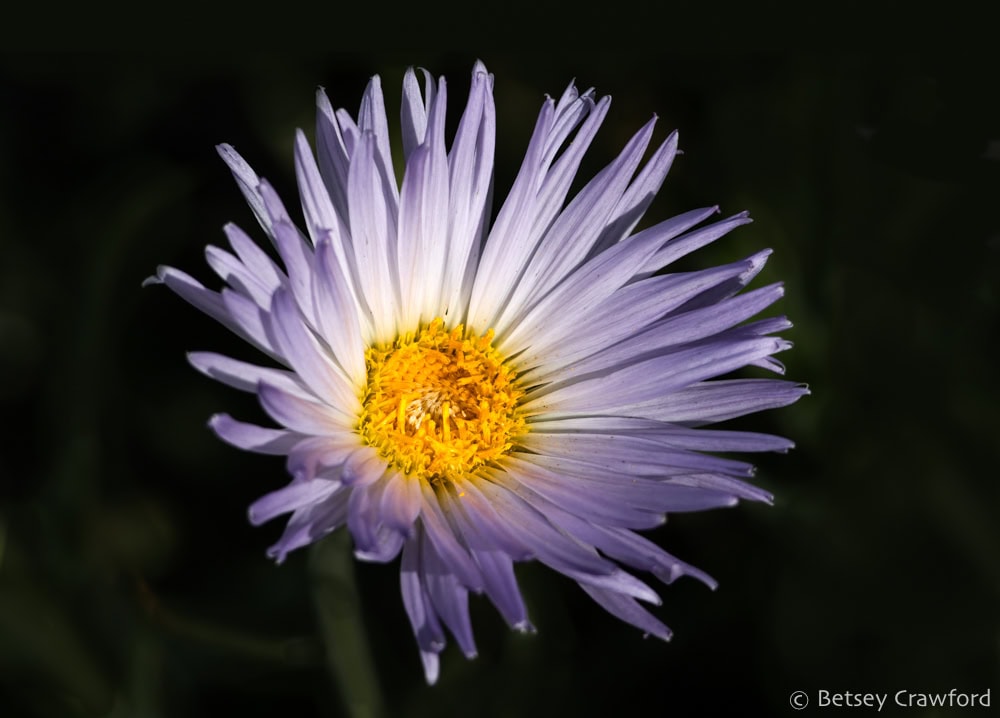
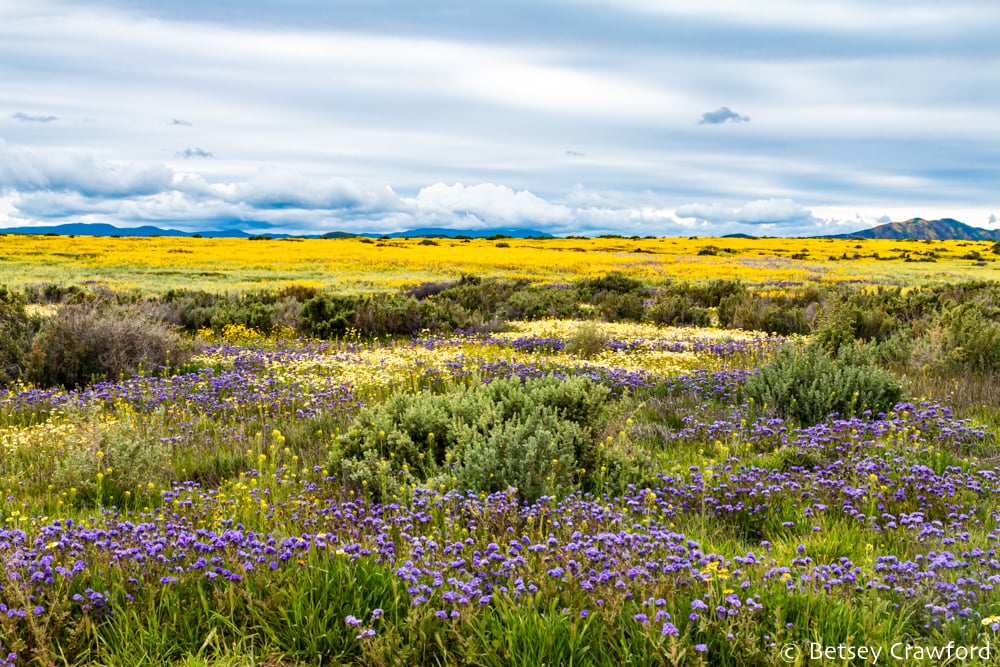
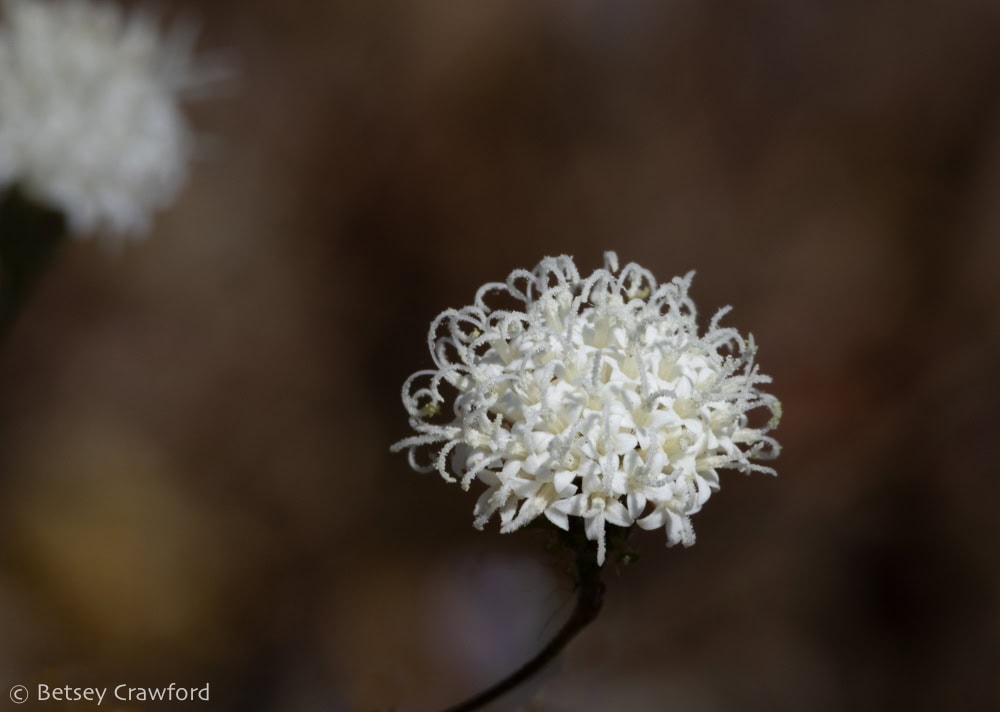
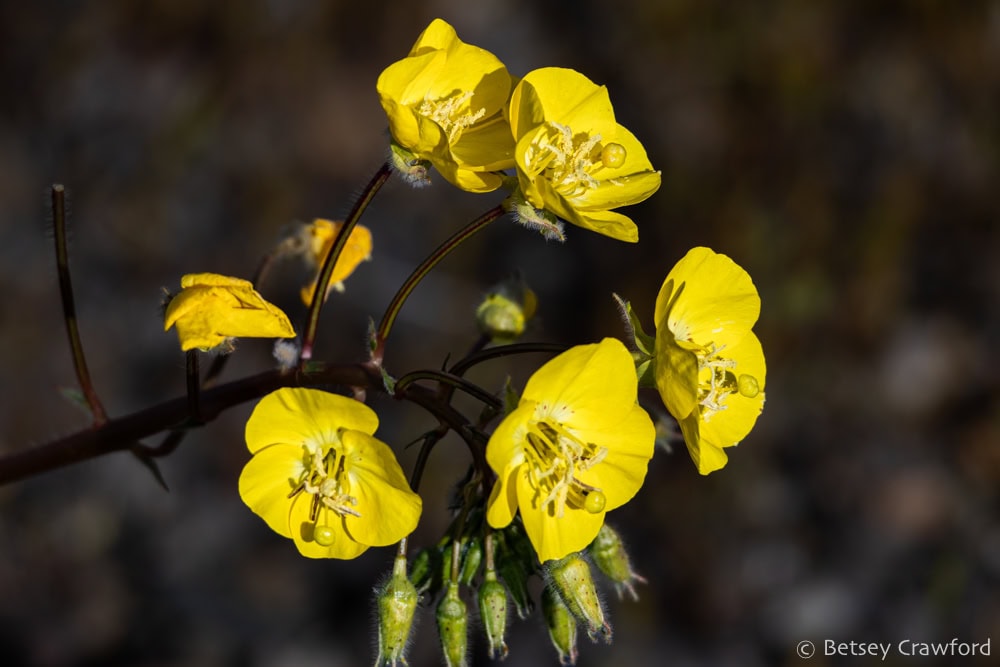
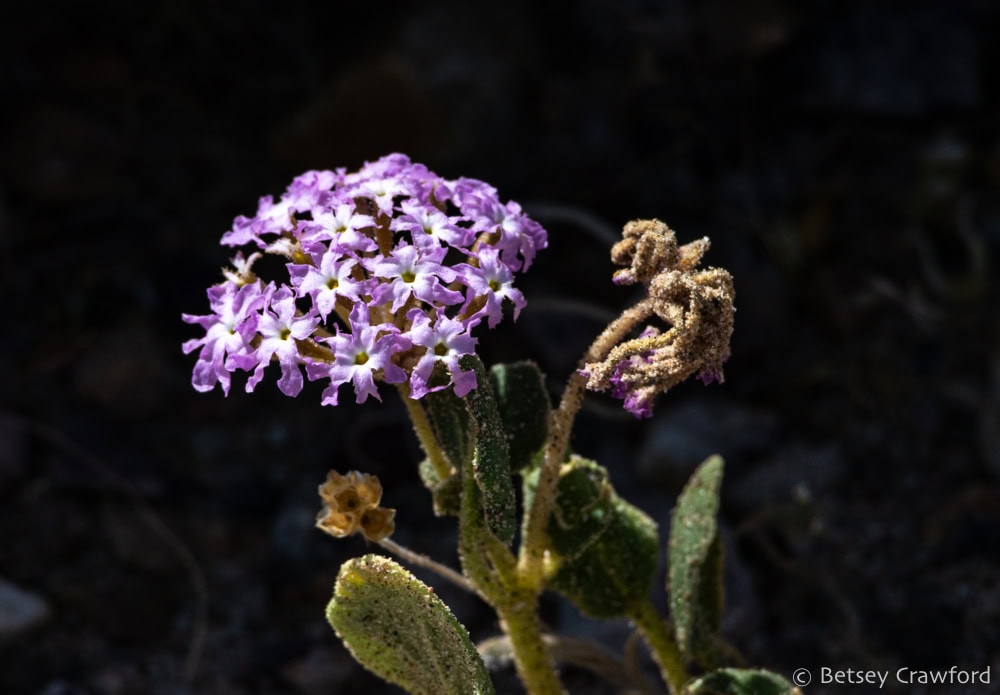
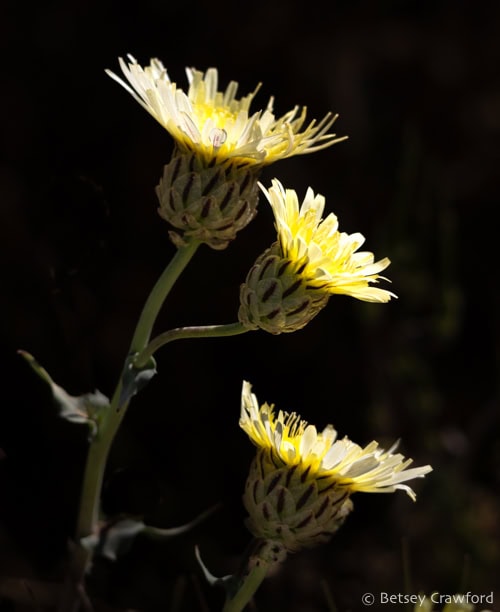
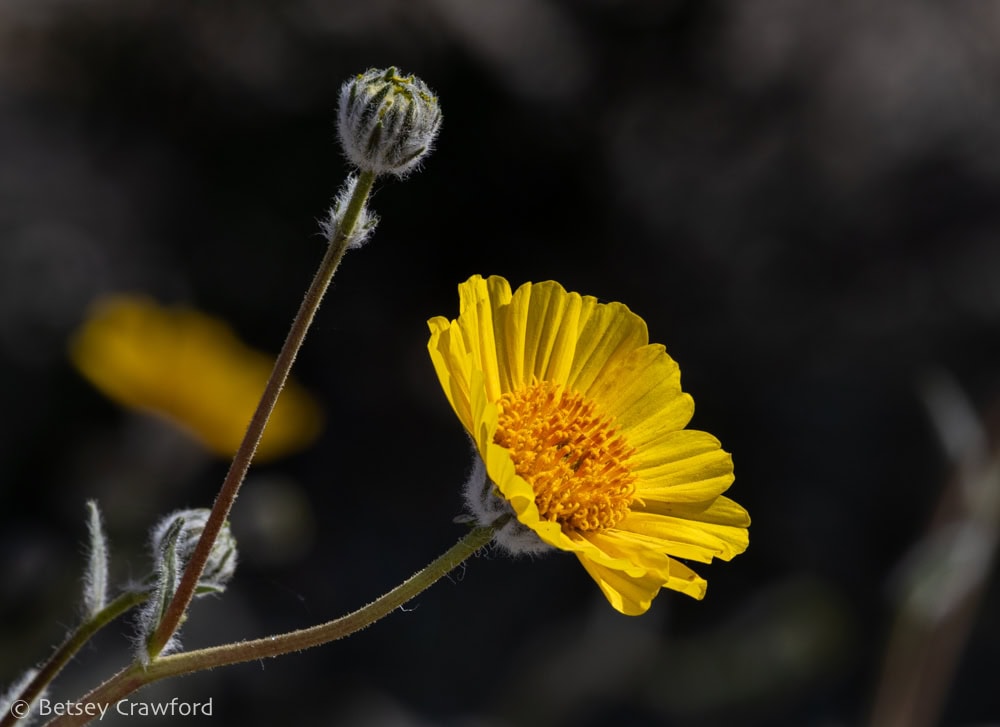
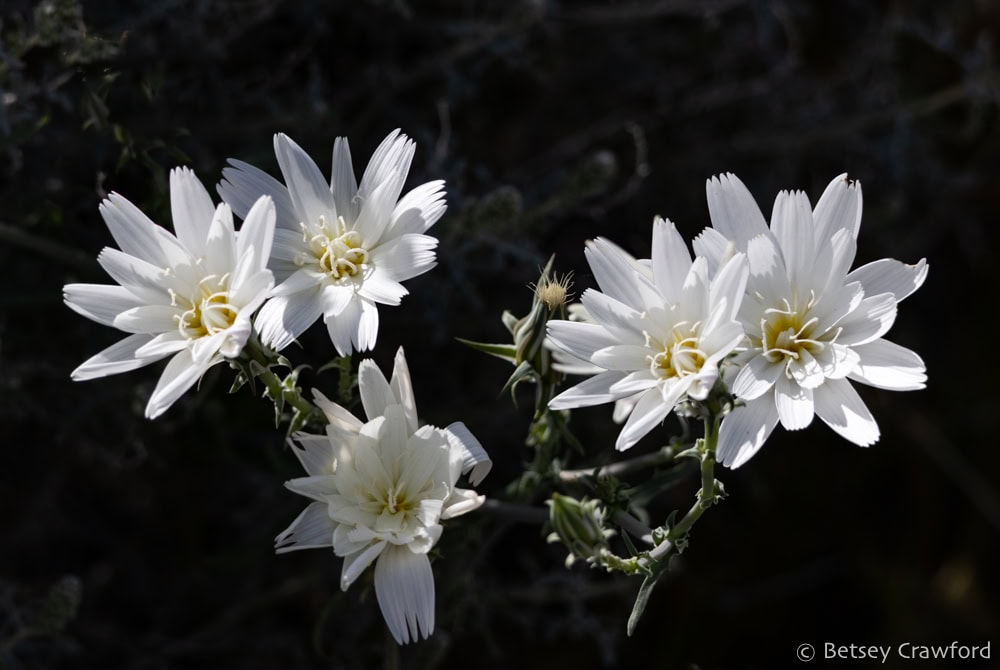
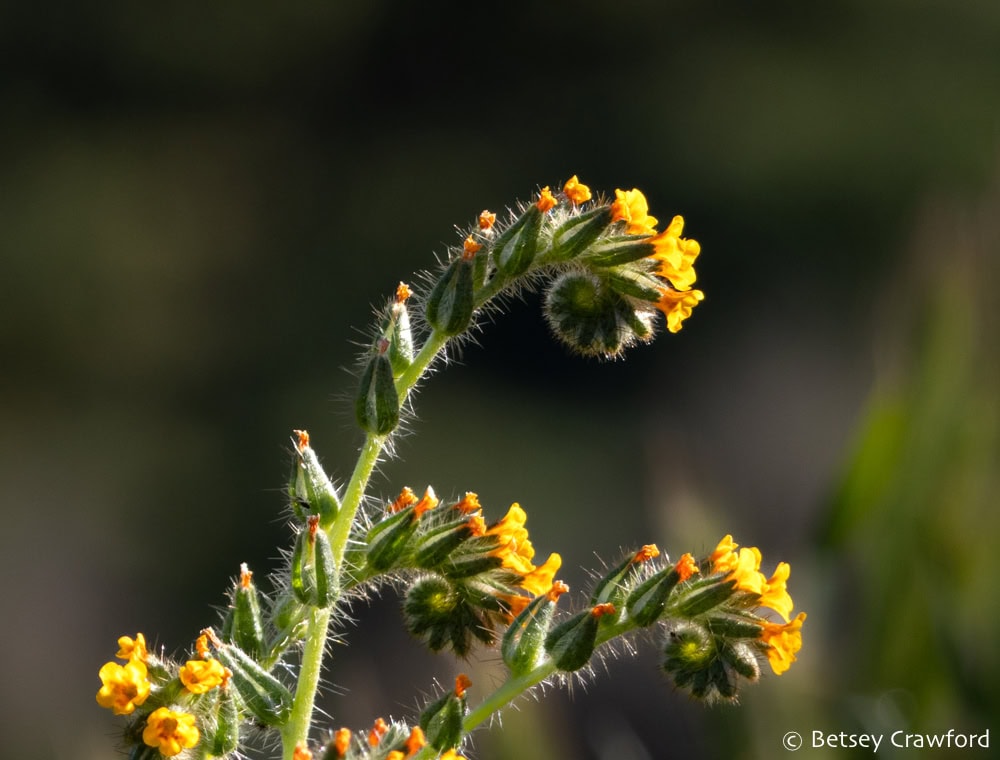
The Easter stories of death and resurrection and their ties to seasonal changes are ancient. And we are ever surrounded by them. Several of the photos accompanying this post are from this year’s super bloom in Death Valley. A rare and sudden greening and flowering of one of the driest, hottest places on Earth. Others are from the Carrizo Plain, a spare, dry grassland that occasionally bursts into extravagant bloom.
Themes of birth, flowering, fruition, death, and rebirth have been with us since the dawn of consciousness. They go back to our earliest written records: those on the cuneiform tablets of ancient Sumer.
Inanna, Queen of the World in the Sumerian pantheon, traveled to the underworld to wrest control from her sister. Once there, she was stripped of her clothing, tortured, and crucified, while the world above shriveled in response. Though she was rescued in three days, her ordeal was the beginning of a long journey. One that explored the mysteries of death and rebirth, the nature of sacrifice, and the duality of existence.
The embodiment of the planet Venus, Inanna became the Babylonian Ishtar, and later the Canaanite Astarte. Her spirit eventually metamorphosed into the Greek Aphrodite, the Roman Venus, perhaps the Germanic Eostre.
Eostre may or may not have presided over the celebration that bears her name. The lineages are not pure and direct. Many stories and energies are merged and scattered among them; traits are given and later changed. Ishtar was also the goddess of war. By Aphrodite’s time, that title belonged to Ares, and Hera had become the queen of the Greek pantheon.
The hints we have of Eostre don’t suggest the mighty energies of Inanna. She is most likely representative of many fertility goddesses, bringing with them light and fecundity. Heralding the spring avalanche of green growth, renewing the promise of survival.
She may be related to Eos, the Greek goddess of the dawn. The etymology of the word Easter is traced through the Proto-Germanic word for dawn, austron-. But it is only used in German and English. Other European languages derive their word for Easter from paschas, or passover.
We live among layers of meaning, the tellings and retellings of the same basic human tales. The bequeathing of characters from one civilization or culture to another. These interweavings speak of the depths of our connections to other human beings, even those living thousands of years ago.
Knowing that the Easter story draws on revered literary traditions doesn’t undermine the teachings of a holy man named Jesus. That our great narratives are echoes of more ancient ones isn’t a limitation to me. It’s a sign of the universality of our fears, our longings, our loves.
Our stories provide us with energy and motivation. They place our feet on the ground of our culture. They entertain and explain and nourish. But our love of story also has a long history of darkness.
There has been a lot of carnage over whose story is the “real” one, and many stories to justify the mayhem. That one group is chosen, but another is not. That we can never have enough. The earth is ours to use up. A story can justify killing people with a different one.
A narrative can burn a forest, enslave a people, destroy a planet. It can start yet another war, launching profound suffering for everyone, involved or not. That’s where we find ourselves this Easter. Despite our capacity and reverence for compassion, humans keep allowing stories of dominance, greed, and hate to overwhelm us.
So often it’s only after protracted battles that we wearily sit down and listen to the shared longing under the destruction. We want to be safe, to be loved, to have the comfort of abundance. To know that our children are happy. That life is meaningful. We’re afraid of our vulnerability, and certainly of death. We want the light to return after a stretch of darkness.
One reason I am drawn to Thomas Berry’s work is his call for a new story. He did not see the world and its infinity of manifestations as accidental cascades of carbon atoms. He saw a constantly evolving expression of enormous generative power, ever operating and creating new ways to express itself.
Berry’s universe story is grounded in the advancing science of the history of the cosmos. The power that brought the universe into being is the same power operating through us now. We are not an end result, beings perched on a planet put here for our disposal. We are one of an infinity of expressions of this continual, billions-of-years-old generativity.
Creation stories the world over tell the same tale. We are beings — animal, plant, rock — that have emerged from Earth itself. Related by the very elements of our cells to all the other beings that have evolved with us. And to the mother stars that created those elements. We are thus connected in the most profound way to the living landscapes we walk among. As well as to the stars and planets we share the cosmos with.
How, given these profound interrelationships, did we come up with stories that justify violence, inequality, injustice? Stories that allow us to clear-cut ancient forests, or fill the oceans with plastic and sewage? That allow anyone on a planet of abundance to go hungry?
The Easter stories hold the promise of salvation, redemption, rebirth, fruition. Of light after darkness. Green shoots after a spare, cold winter. Of course we relish them. We don’t need to leave them behind. There will always be winters.
But how do we shift the stories that lead to destruction and suffering so that they inspire cohesion, trust, and caring? So that they make clear that the goal is not striding atop the world, but being deeply embedded in it? Stories that acknowledge and accept our limitations on a finite planet rather than celebrate endless exploitation?
I would multiply Thomas Berry’s call for a new story: we need lots of fresh stories. And we can tell them. And do. The people of Minneapolis told a new story this winter. The No Kings marches are telling stories that echo the best new stories of the past. Every activist for peace, justice, sustainability, human rights, indigenous knowledge, and freedom is writing a new script. Sometimes adapted from the oldest of manuscripts, sometimes from brand-new visions.
The Easter stories have lasted because they tell us something we need to hear over and over: life is a cycle of continual rebirth. Light dawns after darkness. Death is overcome by the energy we bring to living our lives. With every rebirth, there are opportunities to rethink and redo. To choose other paths, tell other stories. To connect ever more deeply with our sacred Earth and the beings we are blessed to walk among.
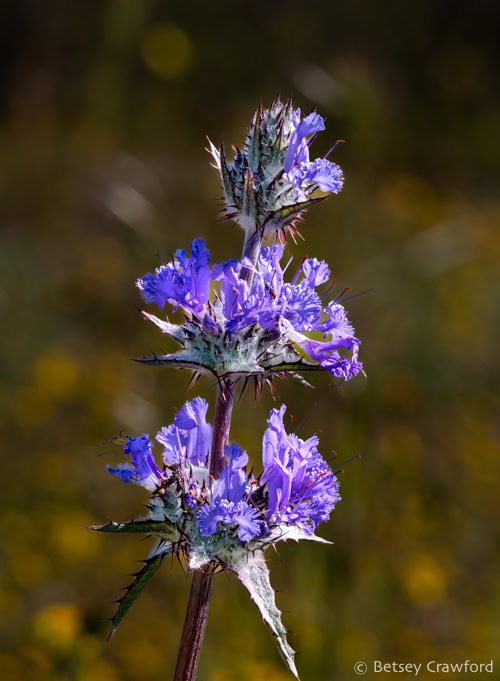
Top photo: San Joaquin blazing star (Mentzelia pectinata), Carrizo Plain
~ RELATED POSTS ~

The pandemic showed us that our culture has its values and rewards upside down. Tug on any one string, and you pull on the whole fabric. Tug enough strings and the fabric loses all integrity. We are all completely, intimately, and sometimes desperately interrelated.
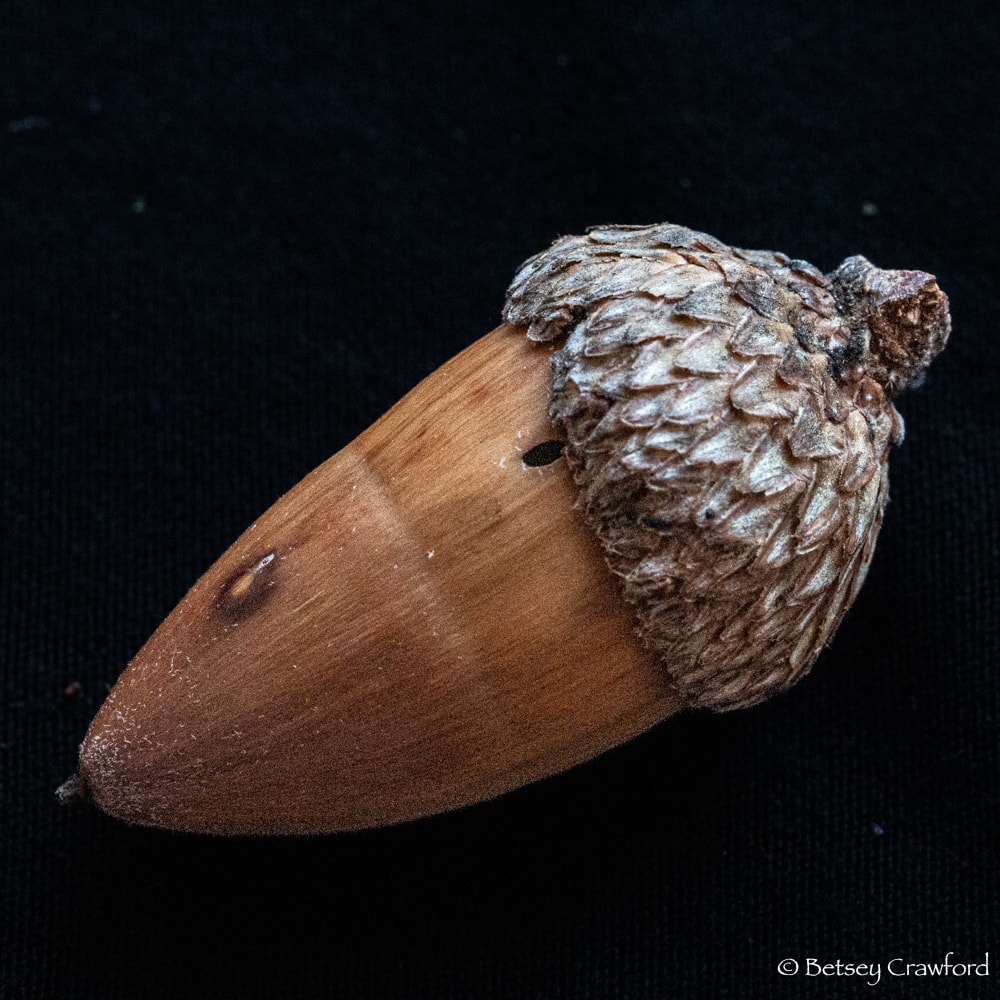
Thomas Berry’s thinking has informed and enriched my own beyond measure. I chose my favorite of his ideas: that we expand our vision beyond treasured texts to include Earth herself as our primary revelation. I spend a lot of time doing just that, so it’s a perfect fit.

TRANSCENDENCE: SURPRISED BY JOY
One of the most transcendent moments of my life happened on the Marin headlands. I hiked uphill, looking for wildflowers. At dusk, I reached the top. The silvery Pacific lay before me. Everything changed suddenly.
Oh, this is just wonderful. I’m late coming to read it, and it’s more powerful for that. I always expect the photos to be wonderful, and they always are.
These past few days have been awful; our “government” doing things totally destructive in every way. Somehow in this post, in your words, I really saw the quiet, indomitable POWER of growing things, of life itself, of living things without words… I’m reminded to PAY ATTENTION!
What a wow! Stunning, profound, and eloquent. I think this is my favorite of all your posts, and of course it has some tough competition.
xoxoxoxox
Annie
Happy Easter Betsey. Thank you for inspiring my morning with your insightful thoughts, eloquent words and oh so beautiful photographs.